







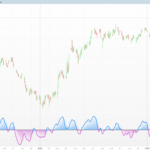
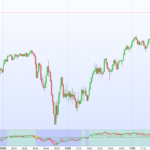
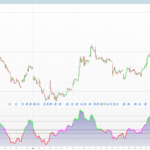
Kase Peak Oscillator - v2
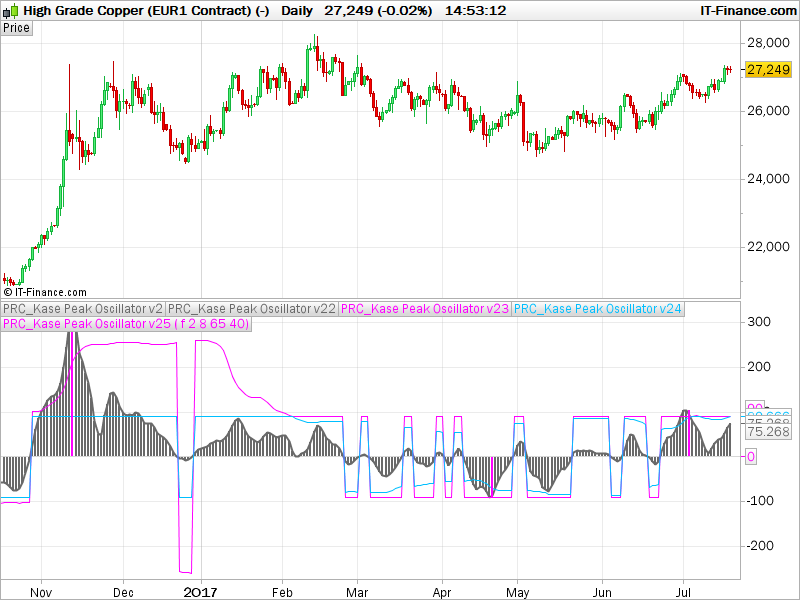
The Kase Peak Oscillator technical indicator was developed by Cynthia Kase.
The Kase Peak Oscillator indicator algorithm combines an Average True Range indicator and a Standard Deviation volatility indicator.
The logarithmic models used better reflect the true nature of the market and allow the indicator to automatically adapt to cycle time and volatility.
Second version of this indicator already in the library, but this time converted from a more advanced code translated from MT4 code, by a request in forums.
//PRC_Kase Peak Oscillator V2 | indicator
//19.07.2017
//Nicolas @ www.prorealcode.com
//Sharing ProRealTime knowledge
//translated from MT4 code

// --- settings
//kpoDeviations  = 2.0 // Kase peak oscillator deviations
//kpoShortCycle  = 8   // Kase peak oscillator short cycle
//kpoLongCycle   = 65  // Kase peak oscillator long cycle
//kpoSensitivity = 40
//allPeaksMode = 0 //1=true ; 0=false
// --- end of settings

if barindex>kpoLongCycle*2 then
 ccLog = Log(Close[0]/Close[1])
 ccDev = std[9](ccLog)

 avg = average[30](ccDev)

 if (avg>0) then
  max1 = 0
  maxs = 0

  for k = kpoShortCycle to kpoLongCycle-1 do
   max1 = Max(Log(High[0]/Low[0+k])/Sqrt(k),max1)
   maxs = Max(Log(High[0+k]/Low[0])/Sqrt(k),maxs)
  next
  x1 = max1/avg
  xs = maxs/avg
 endif

 xp    = kpoSensitivity*(average[3](x1)-average[3](xs))
 xpAbs = Abs(xp)

 kpoBuffer   = xp
 kphBuffer   = xp

 tmpVal = average[50](xpAbs)+kpoDeviations*std[50](xpAbs)
 maxVal = Max(90.0,tmpVal)
 minVal = Min(90.0,tmpVal)

 if (kpoBuffer > 0) then
  kpdBuffer =  maxVal
  kpmBuffer =  minVal
 else
  kpdBuffer = -maxVal
  kpmBuffer = -minVal
 endif

 kppbuffer=0
 if (not allPeaksMode) then
  if (kpoBuffer[1]>0 and kpoBuffer[1]>kpoBuffer[0] and kpoBuffer[1]>=kpoBuffer[2] and kpoBuffer[1]>= maxVal) then
   kppBuffer = kpoBuffer[1]
  endif
 if (kpoBuffer[1]<0 and kpoBuffer[1]<kpoBuffer[0] and kpoBuffer[1]<=kpoBuffer[2] and kpoBuffer[1]<=-maxVal) then
   kppBuffer = kpoBuffer[1]
 endif
 else
  if (kpoBuffer[1]>0 and kpoBuffer[1]>kpoBuffer[0] and kpoBuffer[1]>=kpoBuffer[2]) then
   kppBuffer = kpoBuffer[1]
  endif
  if (kpoBuffer[1]<0 and kpoBuffer[1]<kpoBuffer[0] and kpoBuffer[1]<=kpoBuffer[2]) then
   kppBuffer = kpoBuffer[1]
  endif
 endif
endif

return kphBuffer coloured(105,105,105) style(histogram), kpoBuffer coloured(105,105,105) style(line,2), kpdBuffer coloured(255,0,255), kpmBuffer coloured(0,191,255), kppBuffer coloured(255,0,255) style(histogram,2)
Comments
You must be logged in to post a comment.

Kase Peak Out using Williams High Volatility Vix Fix Formula: (This finds market tops and bottoms based on Volatility) Kase PO William's Vix Fix: (Add PRT Code not Working) //PRC_Kase Peak Oscillator V2 | indicator //19.07.2017 //Nicolas @ www.prorealcode.com //Sharing ProRealTime knowledge //translated from MT4 code // --- settings kpoDeviations= 2.0 // Kase peak oscillator deviations kpoShortCycle= 8 // Kase peak oscillator short cycle kpoLongCycle = 65 // Kase peak oscillator long cycle kpoSensitivity = 40 allPeaksMode = 0 //1=true ; 0=false // --- end of settings pd = 10 if barindex>kpoLongCycle*2 then //ccLog = Log(Close[0]/Close[1]) wvf = ((highest[pd](close)-low)/(highest[pd](close))) ccWVF = wvf ccDev = std[9](ccWVF) avg = average[30](ccDev) if (avg>0) then max1 = 0 maxs = 0 for k = kpoShortCycle to kpoLongCycle-1 do max1 = Max(Log(High[0]/Low[0+k])/Sqrt(k),max1) maxs = Max(Log(High[0+k]/Low[0])/Sqrt(k),maxs) next x1 = max1/avg xs = maxs/avg endif xp= kpoSensitivity*(average[3](x1)-average[3](xs)) xpAbs = Abs(xp) kpoBuffer = xp kphBuffer = xp tmpVal = average[50](xpAbs)+kpoDeviations*std[50](xpAbs) maxVal = Max(90.0,tmpVal) minVal = Min(90.0,tmpVal) if (kpoBuffer > 0) then kpdBuffer = maxVal kpmBuffer = minVal else kpdBuffer = -maxVal kpmBuffer = -minVal endif kppbuffer=0 if (not allPeaksMode) then if (kpoBuffer[1]>0 and kpoBuffer[1]>kpoBuffer[0] and kpoBuffer[1]>=kpoBuffer[2] and kpoBuffer[1]>= maxVal) then kppBuffer = kpoBuffer[1] endif if (kpoBuffer[1]<0 and kpoBuffer[1]<kpoBuffer[0] and kpoBuffer[1]<=kpoBuffer[2] and kpoBuffer[1]0 and kpoBuffer[1]>kpoBuffer[0] and kpoBuffer[1]>=kpoBuffer[2]) then kppBuffer = kpoBuffer[1] endif if (kpoBuffer[1]<0 and kpoBuffer[1]<kpoBuffer[0] and kpoBuffer[1]<=kpoBuffer[2]) then kppBuffer = kpoBuffer[1] endif endif endif return kphBuffer coloured(105,105,105) style(histogram), kpoBuffer coloured(105,105,105) style(line,2), kpdBuffer coloured(255,0,255), kpmBuffer coloured(0,191,255), kppBuffer coloured(255,0,255) style(histogram,2) as "kpp buffer" //105,105,105=grey //255,0,255=pink //0,191,255=blue




Thanks Nicolas. This looks very interresting, despite I am not sure I fully understand it yet. (v23 and v24 not so clear for me. v25 is just to show peaks in pink if I understand well, so it could be valuable in the "allPeaksMode" on to highlight the "unfiltered" peaks (those which don't appear in the "allPeaksMode" on) in a different color. Moreover, would it be possible to code as well the "little brother" : KaseCD. "KCD is the PeakOscillator minus its own average". Many thanks and in advance again Nicolas.

Thank you Nicolas, surely you can't sleep more than 4 hours per night? :) Discussions going on re Kase on the Link below (copy and paste into browser) from post #40945 onwards so you don't have to read it all!. It's more of a monologue (me!) up to now ... so please join in? :) https://www.prorealcode.com/topic/kase-peak-oscillator-kase-cd-and-kase-permission/#post-41360
*Correction: if barindex>kpoLongCycle*2 then //ccLog = Log(Close[0]/Close[1]) ccWVF = ((highest[pd](close)-low)/(highest[pd](close))) ccDev = std[9](ccWVF) Better colour scheme with Green Peak Outs to avoid confusion with KPO pink Peak Outs: return kphBuffer coloured(105,105,105) style(histogram), kpoBuffer coloured(105,105,105) style(line,2), kpdBuffer coloured(124,252,0), kpmBuffer coloured(0,191,255), kppBufferPO coloured(0,255,0) style(histogram,2) as "kpp buffer" //105,105,105=grey //255,0,255 =old pink Histogram PO //0,191,255 =blue //124,252,0 =green line //0,255,0 =green Histogram PO