Power Trading (based on Standard Deviation)

Viewing 8 posts - 16 through 23 (of 23 total)
  • Author
    Posts
  • #201119 quote
    SnorreDK
    Participant
    Junior

    I think the problem with the (n1, n2) and (a, b, c) is that you need to run an optimization, thus somehow curve fitting, and therefore requires updates to find the optimal parameters. When you at Indices, it’s clear the markets in 2022 are very different from 2021. There is no size fits all, like in any Algos. With that said, I tried your idea with only 4 parameters (n1, a1 and n2,b) and found an incredibly high win rate without adding sophisticated trailing stop or MM. So, it’s promising for sure. Need to find time to explore the subject.

    Hi Khaled.
    I was elaborating with values and indices but dont end up with “..incredibly high win rate..
    Would you like to share your code, timeframe and indice?

    #201139 quote
    Khaled
    Participant
    Veteran

    Hi SnorreDK, I actually spoke too quickly because I put a TP of 5 pts on ES (SP500), which was easy to reach. Using a TP of 1.5*ATR, I reached at best a win rate of 47%, without adding filters like RSI, MFI, etc. Please note that with the propose code BUY STD[n](close[n]) … you will reach a high number of lots very quickly.

    SnorreDK and jonpt88 thanked this post
    #241345 quote
    j102491
    Participant
    New

    Hello, I see this is an old thread but I’m new here and this caught my interest. In regards to Std[n](Close[n]). Is the Std multiplied by the close or is that the standard deviation of the close?

    #241346 quote
    JS
    Participant
    Senior

    Hi,

    The formula Std[n](Close) calculates the standard deviation based on the “Close”, where [n] represents the period over which the standard deviation is calculated.

    #241347 quote
    j102491
    Participant
    New

    Thank you

    #241653 quote
    LucasBest
    Participant
    Average

    JS, your idea is brilliant. It is actually close to Bollinger Bands concept.

    It is nothing more than Bollinger Bands (not used for mean reversion but trend following)… Really nothing new.
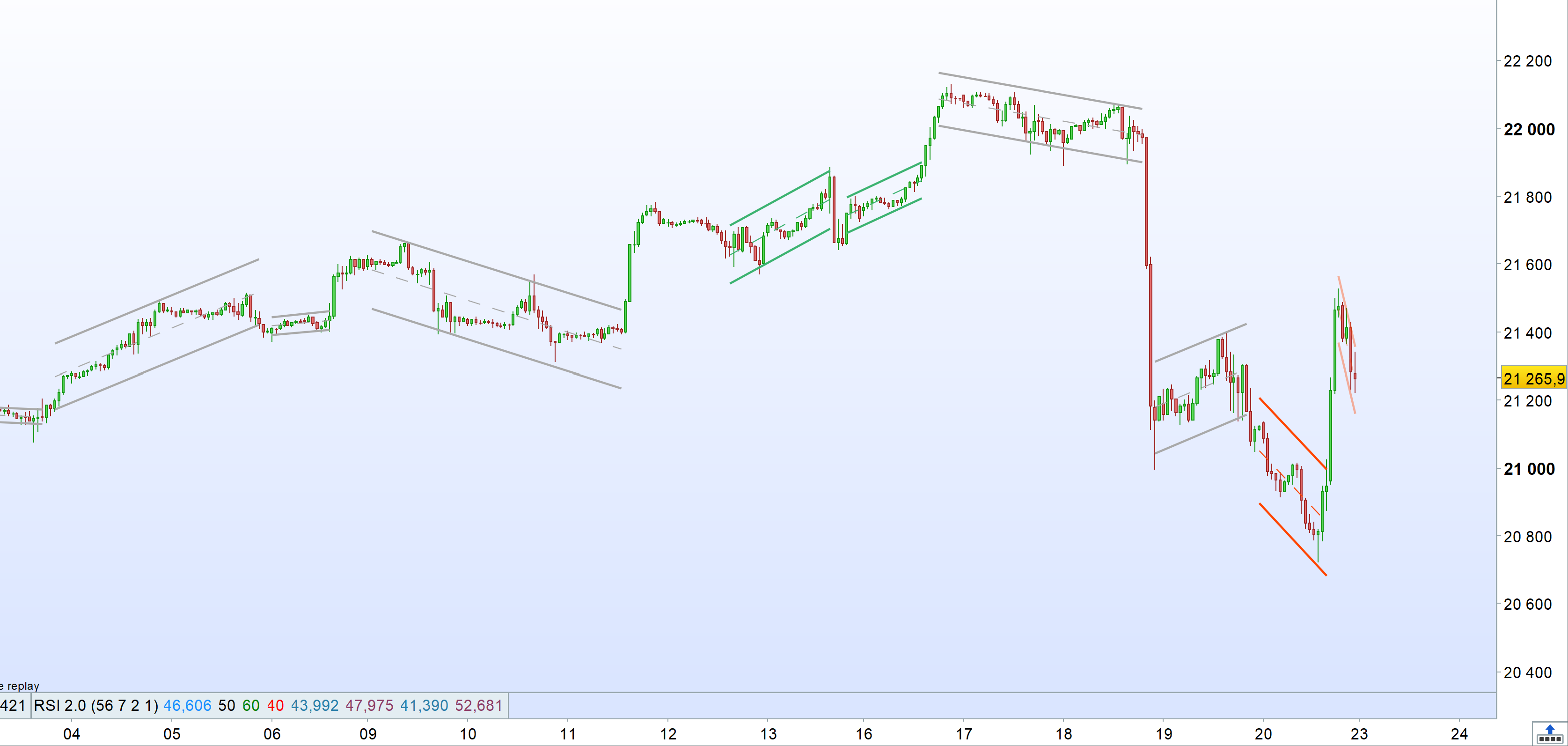
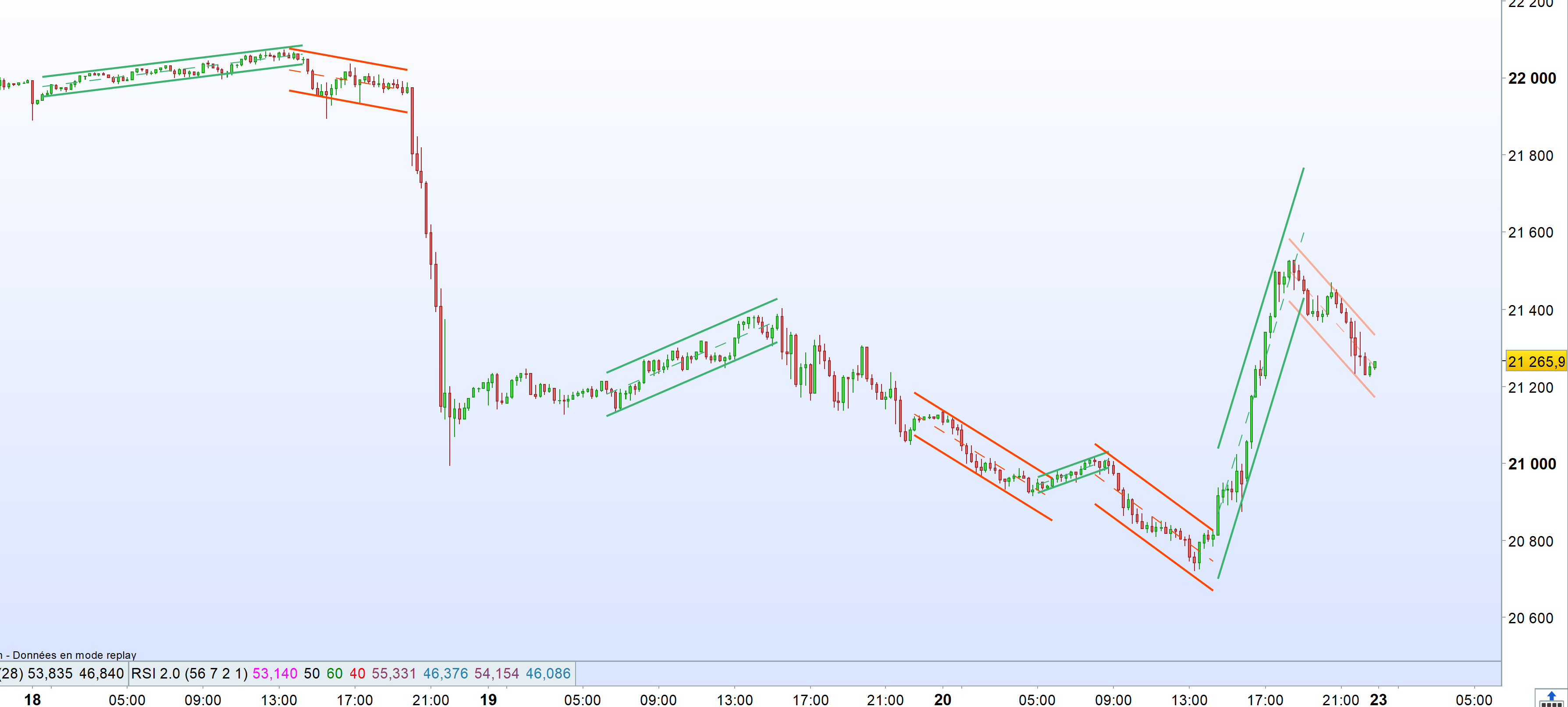
    I think, it would make more sense using linear regression coupled with standard deviation, like this below.

    Capture-decran-2024-12-21-112042.png Capture-decran-2024-12-21-112042.png
    #241655 quote
    LucasBest
    Participant
    Average
    #241657 quote
    LucasBest
    Participant
    Average

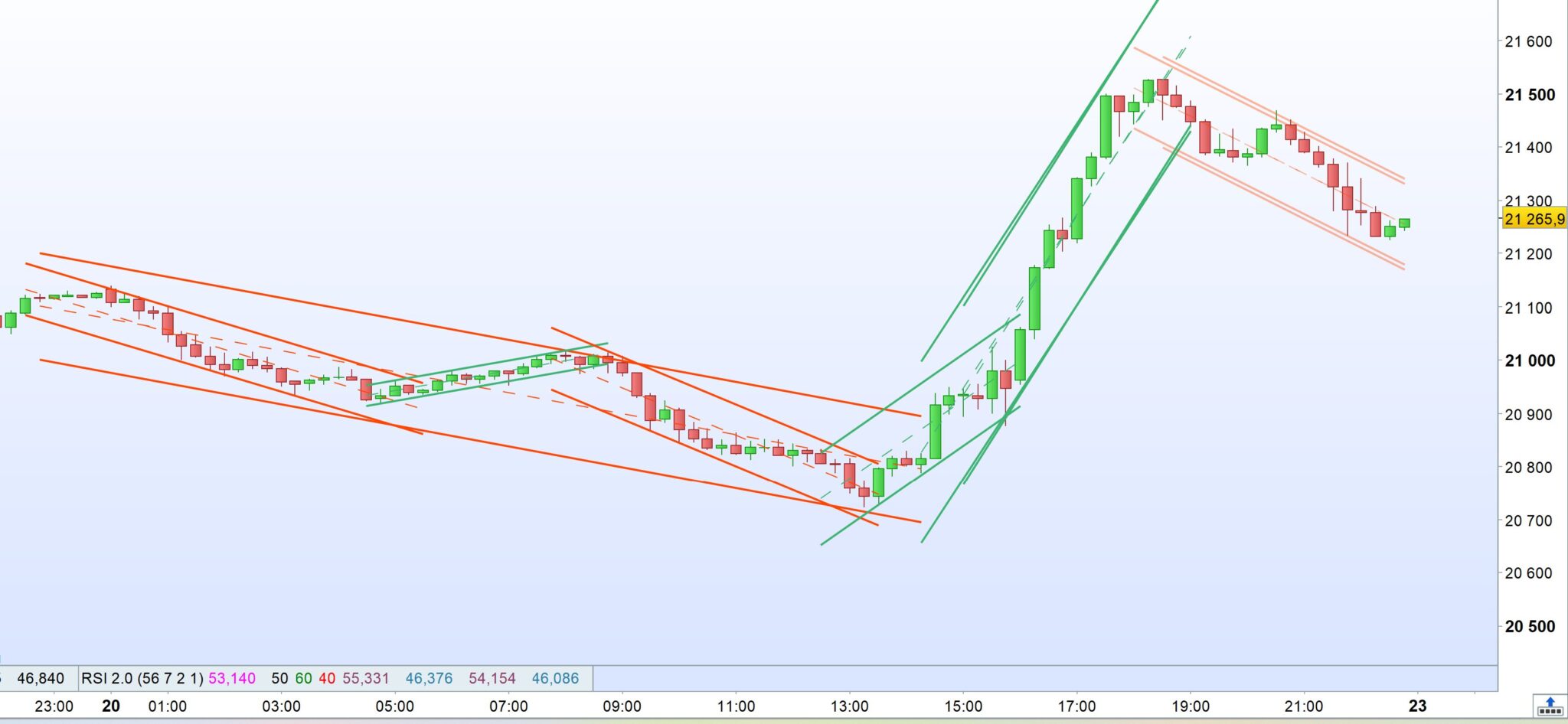
    With 2 different standard deviation and offset you can even increase the accuracy of the entries following the breakouts

    GraHal thanked this post
    Capture-decran-2024-12-21-120350.jpg Capture-decran-2024-12-21-120350.jpg
Viewing 8 posts - 16 through 23 (of 23 total)
  • You must be logged in to reply to this topic.

Power Trading (based on Standard Deviation)


ProOrder: Automated Strategies & Backtesting

New Reply
Author
author-avatar
JS @js Participant
Summary

This topic contains 22 replies,
has 6 voices, and was last updated by LucasBest

1 year, 1 month ago.

Topic Details
Forum: ProOrder: Automated Strategies & Backtesting
Language: English
Started: 09/17/2022
Status: Active
Attachments: 6 files
Logo Logo
Loading...